
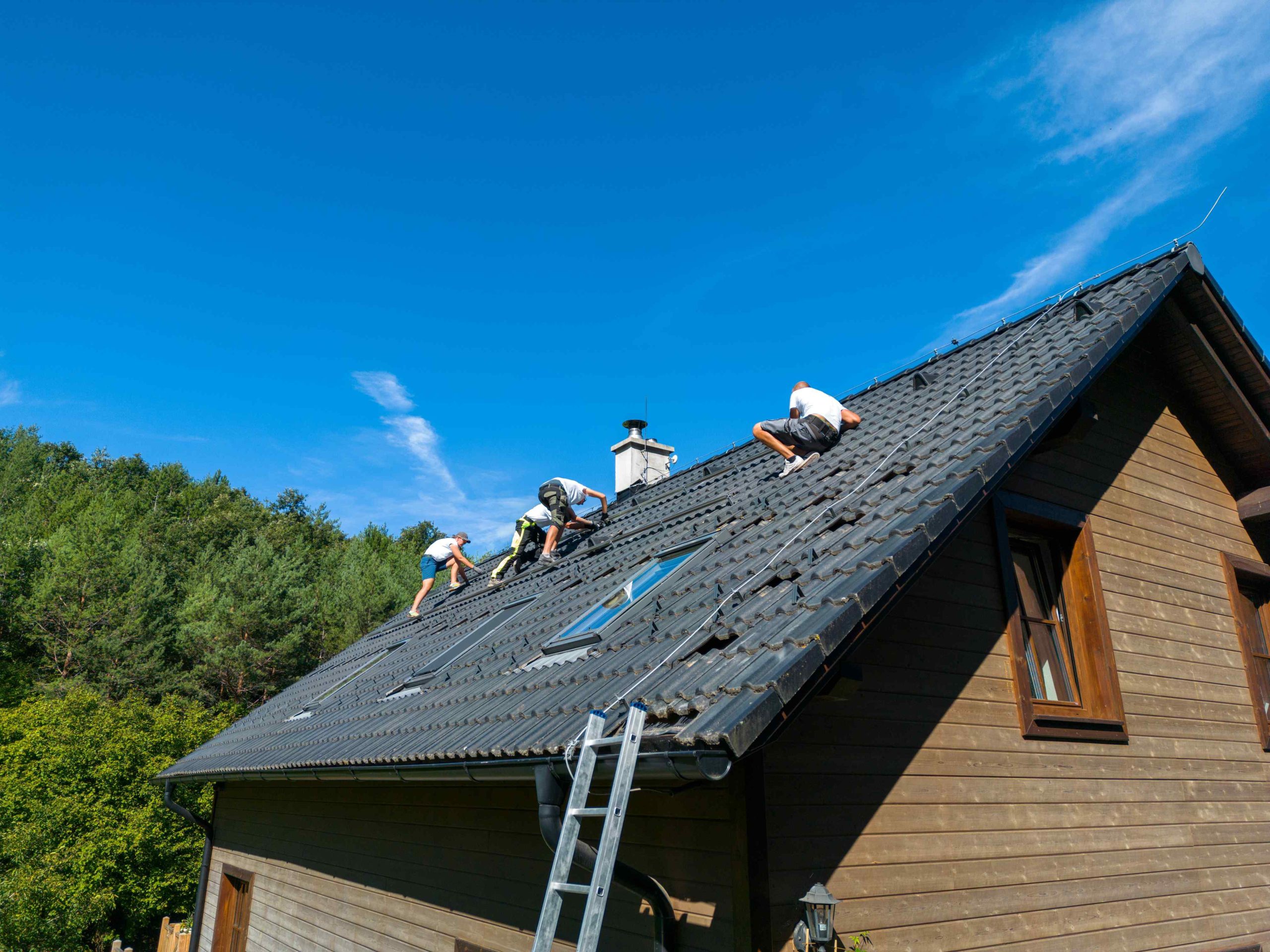
Emergency roof damage can turn into a costly problem when water enters the attic, damages insulation, or spreads across ceilings. In Syracuse, Utah, strong winds, heavy snow, ice buildup, and sudden storms can leave homeowners needing fast repairs. The emergency roof repair cost in Syracuse, UT, depends on the type of damage, the time needed to stop the leak, and whether the roof structure needs additional work.
Knowing what affects the price helps you make better decisions during a stressful situation. This guide explains common emergency repair costs, local weather risks, pricing factors, and ways to prevent a small roofing problem from becoming a larger expense.
1. How Much Does Emergency Roof Repair Cost in Syracuse, UT?
Emergency roof repair costs depend on the damage and how quickly the roof needs attention. A small leak or a few missing shingles may require limited repairs, while a damaged roof section or active water intrusion can require more labor and materials.
As a general budgeting guide, minor roof repairs may cost around $150 to $500, moderate repairs may range from $500 to $1,500, and major emergency work can cost $1,500 to $3,000 or more. These are broad planning estimates, not verified local quotes. After-hours service, steep roof access, and structural damage can increase the final bill.
Ask for an itemized estimate that separates the emergency service call, temporary protection, permanent repairs, and any additional work. This makes it easier to understand what you are paying for and which repairs need immediate attention.
2. What Causes Emergency Roof Damage in Syracuse?
Syracuse homes face weather conditions that can place extra stress on roofing systems throughout the year. Winter snow can collect on roof surfaces, while freeze-thaw cycles may worsen existing cracks around flashing, vents, and other roof openings.
Strong winds can lift shingle edges, loosen ridge caps, and expose the underlayment beneath the roofing material. Heavy rain may then enter through these weak points. Hail can also damage shingles and metal roof components, even when the damage is not obvious from the ground.
Roof age is another factor. Older shingles may lose granules, become brittle, or fail to seal properly after repeated temperature changes. Poor attic ventilation and blocked drainage can add to the problem. Homeowners who notice ceiling stains, damp insulation, or loose shingles should arrange a professional inspection before the damage spreads.
3. Which Factors Increase Emergency Roof Repair Costs?
The size of the damaged area is only one part of an emergency roofing estimate. Roof pitch, material type, accessibility, and the condition of the underlying structure can affect labor time and repair methods.
A steep roof may require extra safety equipment and additional setup time. Tile, metal, and specialty roofing systems may need materials or installation methods that differ from standard asphalt shingles. If water has damaged roof decking, the contractor may need to remove the affected roofing material before replacing the wood and restoring the roof covering.
Timing can also affect the price. Calls made outside normal business hours may involve an emergency service fee. Temporary tarping, debris removal, and repeated visits may add separate charges. Before approving major work, ask which items are urgent, which can wait, and whether the estimate includes cleanup and disposal.
4. Emergency Roof Tarping vs. Permanent Repairs
Emergency tarping can help limit water entry when a roof cannot be repaired immediately. It is often useful after wind damage, fallen branches, or a sudden leak that exposes part of the roof to rain or melting snow.
The cost depends on the size of the opening, roof height, access, and the materials needed to secure the covering. A small, accessible area may require less work than a large damaged section on a steep roof. Ask whether the quoted price covers installation only or also includes a later removal visit.
Tarping is temporary protection, not a permanent repair. It does not restore damaged shingles, flashing, or roof decking. Once conditions are safe, a roofer should inspect the covered area and provide a plan for permanent repairs. Avoid climbing onto a wet, icy, or snow-covered roof to install a tarp yourself.
5. How Syracuse Weather Affects Emergency Roofing Expenses
Local weather can influence both the type of roof damage and the cost of repairing it. During winter, snow and ice can make roof access more difficult, slow down installation, and create safety risks for workers.
Ice dams may form when heat escapes into the attic and melts snow on the roof. Water can then back up beneath shingles and enter the home. The repair may involve more than replacing roofing material if insulation, ventilation, or interior finishes have also been affected.
Spring and summer storms can create a different set of problems. Wind may remove shingles, while falling branches can puncture the roof surface. After a storm, document visible damage from a safe location and arrange an inspection. Avoid assuming every roof issue is storm-related, since normal wear and existing maintenance problems can also contribute.
6. Does Homeowners Insurance Cover Emergency Roof Repairs?
Homeowners insurance may cover sudden roof damage caused by a covered event, such as certain wind or hail incidents. Coverage depends on the policy, the cause of the damage, exclusions, and the condition of the roof before the event.
Damage caused by gradual wear, neglected maintenance, or an aging roof may not be covered. Your policy may also include a deductible that you must pay before insurance benefits apply. Review the policy terms and contact your insurer before committing to major non-emergency work.
If water is entering the home, take reasonable steps to limit further damage when it is safe to do so. Photograph visible damage, keep receipts for emergency services, and save the contractor estimate. Ask the roofer to document the affected areas and distinguish temporary protection from permanent repairs. Do not assume an insurance claim will cover every part of the project.
7. How to Reduce Emergency Roof Repair Expenses
The best way to control emergency roofing expenses is to address early warning signs before they become active leaks. Look for missing shingles from the ground, damaged flashing around vents, ceiling discoloration, and granules collecting near downspouts.
Schedule roof inspections after major storms and when an older roof begins showing signs of wear. Keep gutters clear so water can drain properly, and address attic ventilation problems that may contribute to ice dams. These steps cannot prevent every storm-related emergency, but they can help identify weak points earlier.
When comparing contractors, focus on the scope of work rather than the lowest price alone. Request a written estimate, confirm the materials to be used, and ask about workmanship warranties. Be cautious of contractors who demand full payment upfront or pressure you to sign immediately after a storm. A clear repair plan helps you avoid unnecessary work and unexpected charges.
Conclusion: Get Emergency Roof Repair Help in Syracuse, UT
A roof leak or storm-related failure can quickly damage insulation, ceilings, and other parts of your home. Understanding the emergency roof repair cost in Syracuse, UT, helps you prepare for the expense and decide which repairs need immediate attention. The final price depends on the cause of the damage, roof access, materials, and any hidden structural problems.
If your roof has missing shingles, active leaks, or visible storm damage, contact Polar Peak Roofing to discuss an inspection and repair options. Request a clear estimate that explains emergency protection, permanent repairs, and any additional work. Prompt professional attention can help limit further damage and protect your home.
Frequently Asked Questions
1. How much does emergency roof repair cost in Syracuse, UT?
Minor repairs may cost around $150 to $500, while moderate repairs can range from $500 to $1,500. Major damage may cost $1,500 or more. Actual prices depend on the roof condition, labor, materials, and emergency service fees.
2. Does emergency roof repair cost more at night or on weekends?
It can. Some roofing contractors charge extra for after-hours, weekend, or holiday service. Ask whether the estimate includes an emergency call-out fee, temporary protection, labor, and the permanent repair.
3. Can a roofer repair a leaking roof during winter in Syracuse?
Some emergency repairs can be completed during winter, depending on temperature, snow, ice, and roof safety. A contractor may use temporary protection first and complete permanent work when conditions allow.
4. Will homeowners insurance pay for emergency roof repairs?
Insurance may cover sudden damage caused by a covered event, subject to policy terms and your deductible. Damage caused by wear, aging, or poor maintenance may be excluded. Contact your insurer and document the damage before beginning major repairs.
5. How quickly should I repair a leaking roof?
Arrange an inspection as soon as possible, especially if water is entering the home or the ceiling is sagging. Move belongings away from the leak and avoid areas where the ceiling may collapse. Do not climb onto the roof during unsafe weather.